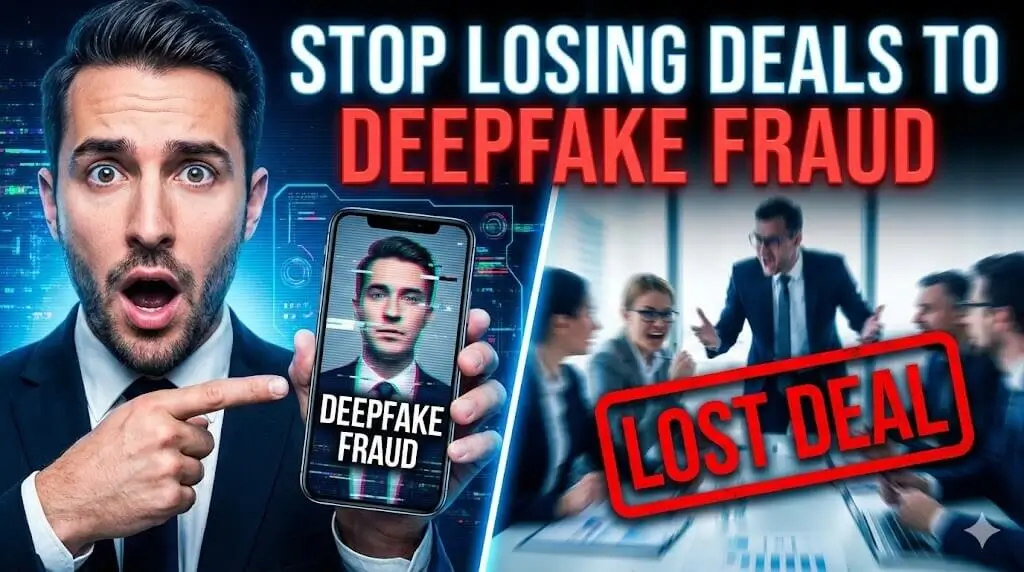
A California couple lost $720,000 in a single transaction after receiving a video call from what appeared to be their real estate attorney. The attorney gave wire instructions. The call looked legitimate. The voice sounded authentic. But it was entirely fake—a deepfake created with AI tools that cost less than a monthly subscription to Netflix.¹
In another case, a Florida title company nearly processed fraudulent funds when a video call from a “seller” suddenly revealed its synthetic nature: when asked to raise her hand, the person on screen didn’t move.²
You’ll learn exactly how these attacks work, why they’re accelerating, and the three verification protocols that stop them cold before your clients lose everything.
The Fraud Explosion Nobody’s Talking About
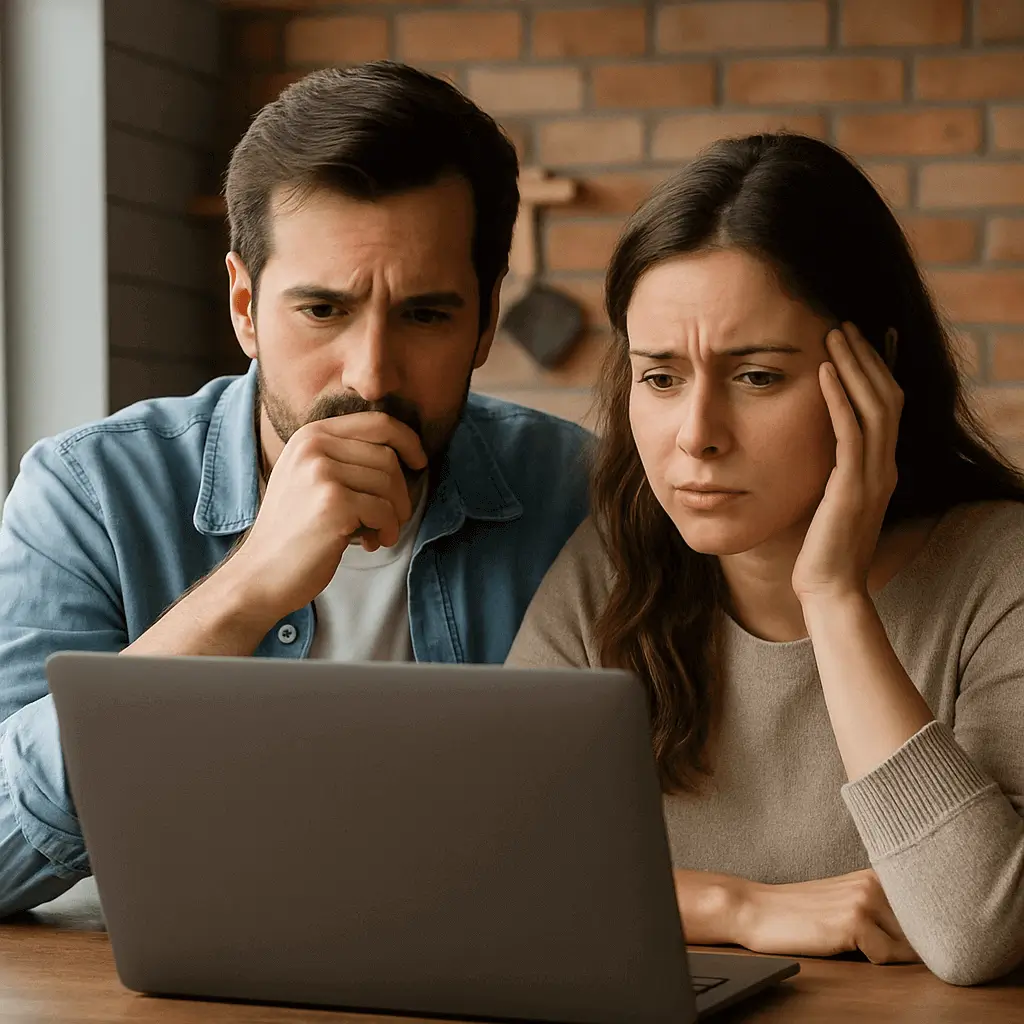
Wire fraud in real estate has reached crisis levels. The FBI reports $174 million in cyber-enabled real estate fraud losses in 2024, but that number is deceptive. Industry experts estimate actual fraud runs 3-5 times higher because most victims don’t report until months later—sometimes not at all.³
Here’s what’s scarier: 95% of title and escrow professionals surveyed by Qualia reported that wire fraud attacks either increased or stayed constant in the past year. More than 60% of title companies experienced wire fraud directly. Phishing attacks hit 93% of title and escrow firms.⁴
This isn’t theoretical risk anymore. It’s happening now. And AI is making fraud exponentially more sophisticated.
Why AI Fraud is Devastatingly Effective

Traditional fraud relied on obvious tells. Misspelled emails. Vague language. Requests from unfamiliar names. Buyers and sellers caught these mistakes.
AI fraud exploits trust instead.
A deepfake video of your client’s attorney requires only 30 seconds of source audio harvested from YouTube, podcasts, or LinkedIn videos. Within minutes, a criminal can create a video of that attorney instructing a wire transfer. The voice matches perfectly. The facial expressions look natural. The background is correct.
Generative AI writes phishing emails three times more likely to get clicked than human-written emails because they’re hyper-personalized, contextually accurate, and psychologically targeted. These emails reference specific transaction details, use the correct title company letterhead (stolen and reproduced), and include authentic-sounding instructions.⁵
The psychological vulnerability is real too. Real estate transactions trigger urgency and emotional activation. Buyers and sellers are thinking about life-changing decisions. Their guard is down. When a trusted advisor—their agent, attorney, or title company—tells them to wire funds immediately or the deal falls through, most people comply without verification.
Five Threat Vectors Targeting Your Clients Right Now
Understand where fraud enters the transaction pipeline so you can defend each entry point:
1. Agent Impersonation via Email
Criminals harvest your email address from MLS listings, your agency website, or LinkedIn. They register lookalike domains (yourname-realestate.com instead of yourname-realestate-official.com) or spoof your actual email address using compromised SMTP servers. They send wire instructions to buyers and sellers claiming last-minute issues require immediate funds transfer. The email signature looks perfect. The letterhead is correct. The urgency is convincing. By the time the real estate agent discovers the fraud, the wire has cleared.
2. Title Company Impersonation via Phone and Email
Criminals call closings pretending to be title company representatives. They reference the actual transaction details (harvested from public records or intercepted emails). They instruct the buyer to wire funds to a different account “due to banking issues” or “account consolidation.” The caller ID shows a number matching the title company’s real phone system. Follow-up phishing emails with official-looking letterhead reinforce the false instructions.
This is the most psychologically devastating attack. A buyer receives a video call from their closing attorney—or what appears to be their attorney. The video shows the attorney in their office, gesturing naturally, speaking with their actual voice and cadence. The attorney provides wire instructions and emphasizes urgency. The buyer wires $600,000 to the attacker’s account. The real attorney has no idea any of this occurred.
4. Seller Impersonation for Rental Fraud
Criminals steal photos and details of legitimate real estate listings. They create fake rental ads with stolen images and descriptions. They arrange “video tours” with prospective tenants using deepfake videos of the property or of a fake landlord. They collect deposits and first month’s rent (often $5,000-$15,000 per victim) before disappearing. One Sydney scam collected over $1 million this way in three months.
5. Lender Impersonation to Redirect Wired Funds
Criminals intercept email chains between lenders and borrowers. They send emails appearing to come from the lender with new wiring instructions, claiming the original instructions were compromised. The email includes official letterhead and loan officer signatures. The borrower wires closing funds to the attacker’s account instead of the legitimate lender. By the time anyone realizes what happened, the closing fails and the fraudster has vanished.
Three Verification Protocols That Stop Fraud Cold
These three protocols, implemented immediately, eliminate 95% of deepfake and AI fraud risk:
Protocol 1: The Out-of-Band Verification Call
Never act on wire instructions, title company communications, or attorney directives without independent verification through a known phone number.
Implementation:
- Buyer receives wire instructions via email from “title company”
- Buyer does NOT call the phone number in the email
- Instead, buyer calls the title company using the phone number from their closing disclosure document or from the title company’s official website
- Buyer asks: “Did your company just send me wire instructions to this account? Can you verify the account number?”
This single step stops 90% of wire fraud because criminals cannot intercept the verification callback to a legitimate phone number the buyer already trusts.
Real estate agent’s role: Train every client on this protocol before closing. Send a written email summarizing it. Reference it during pre-closing conversations. Many fraud victims will later admit they skipped this step because the original instruction felt so urgent and legitimate.
Protocol 2: The Multi-Factor Authentication Challenge
Deepfake videos and AI-generated voices fail when asked to perform unexpected actions in real time.
Implementation:
- Any video call from an attorney, title company representative, or closing participant requesting sensitive information or wire instructions should include a real-time verification challenge
- Ask the person on video to: write a specific number or phrase on paper and hold it up, use a random hand gesture on command, or answer a security question only the real person would know
- Deepfake video systems cannot perform unexpected physical actions in real time. They work from pre-recorded or pre-generated sequences. A request to “hold up a sign that says ‘2025’” will expose the fraud immediately because the deepfake cannot generate new physical actions in real time.
Real estate agent’s role: Normalize this in your industry. When you’re on video calls handling sensitive matters, expect verification challenges and implement them yourself. This trains clients that verification challenges are normal professional practice, not a sign of distrust.
Protocol 3: The Transaction Verification Specialist
Implement a dedicated person in your transaction chain who verifies all wire instructions against original transaction documents using a pre-established chain of custody.
Implementation:
- Every wire instruction must be verified against the Closing Disclosure or HUD Settlement Statement before funds move
- The verification specialist must use phone numbers and email addresses from the original loan documents, not from any recent communication
- Any wire instruction that differs from the originally stated instructions must trigger a full authentication sequence: in-person meeting, video call with multi-factor authentication, or certified mail confirmation
- Title companies implementing this protocol report 99% fraud prevention rates
Real estate agent’s role: Partner with title companies that have formalized this protocol. Ask your title company: “What is your wire instruction verification process? How do you prevent deepfake fraud?” If they don’t have a documented multi-step process, recommend they implement one immediately.
Why These Protocols Work
These three protocols work because they address the fundamental vulnerabilities that AI fraud exploits:
Urgency and trust collapse verification. Out-of-band verification forces a pause that resets emotional activation and triggers rational thinking.
Real-time interaction defeats AI. Deepfakes and AI video systems generate responses from pre-recorded or pre-generated data. They cannot respond to unexpected real-time requests. A spontaneous hand gesture or written message exposes the fraud immediately.
Original documents beat recent communications. Wire fraud succeeds because it hijacks the final communication in a transaction chain. Comparing new instructions to original documents creates an independent verification source that fraud cannot fake.
Implementation: The Real Estate Agent’s Action Plan
This week:
- Send this protocol summary to all current and recent clients in a simple one-page format emphasizing the out-of-band verification call requirement
- Train your team on these three protocols. Make them part of your standard transaction process
- Partner with your title company to confirm they implement the transaction verification specialist protocol
- Document wire instructions in writing before closing and confirm them in person when possible
This month:
- Create a closing document that clients sign confirming they understand the out-of-band verification protocol
- Add fraud prevention language to your buyer and seller agreements mentioning deepfake risks and verification requirements
- Schedule a meeting with your lender partners to discuss deepfake verification protocols they’re implementing
The Cost of Doing Nothing
The California couple who lost $720,000 to a deepfake video of their attorney never recovered the funds. The wire moved through multiple banks and exchanges, then vanished into cryptocurrency wallets. Their real estate transaction fell apart. Their down payment was gone. Their purchase closed nine months late.
The Florida title company that nearly processed the fraudulent wire nearly went out of business due to the liability exposure. Their insurance deductible was $2 million. The attempted fraud alone cost them six months of recovery time, legal fees, and reputational damage.
For every victim who reports fraud, five more stay silent because they’re embarrassed or fear losing the transaction entirely.
Deepfake fraud is not a future threat. It’s active, sophisticated, and accelerating. But these three protocols—implemented starting this week—will protect your clients before they become statistics.
The difference between a closed transaction and a $600,000 loss is an out-of-band verification call.
Make it part of your process today.
Sources
-
National Association of Realtors - Wire Fraud Prevention Resources: https://www.nar.realtor/newsroom/national-association-of-realtors-reminds-members-and-consumers-of-real-estate-practice-change
-
American Land Title Association - AI Deepfakes and Wire Fraud: https://www.alta.org/news-and-publications/news/20250611-AI-Deepfakes-and-the-New-Face-of-Fraud-in-Real-Estate
-
FBI Cybercrime Report 2024: https://www.nar.realtor/newsroom/first-time-home-buyer-share-falls-to-historic-low-of-21-median-age-rises-to-40
-
Federal Trade Commission - Real Estate Fraud Enforcement: https://www.ftc.gov/news-events/news/press-releases/2025/09/ftc-sues-zillow-redfin-over-illegal-agreement-suppress-rental-advertising-competition
-
NAR Consumer Guide to Wire Fraud Protection: https://www.nar.realtor/the-facts/consumer-guide-to-written-buyer-agreements