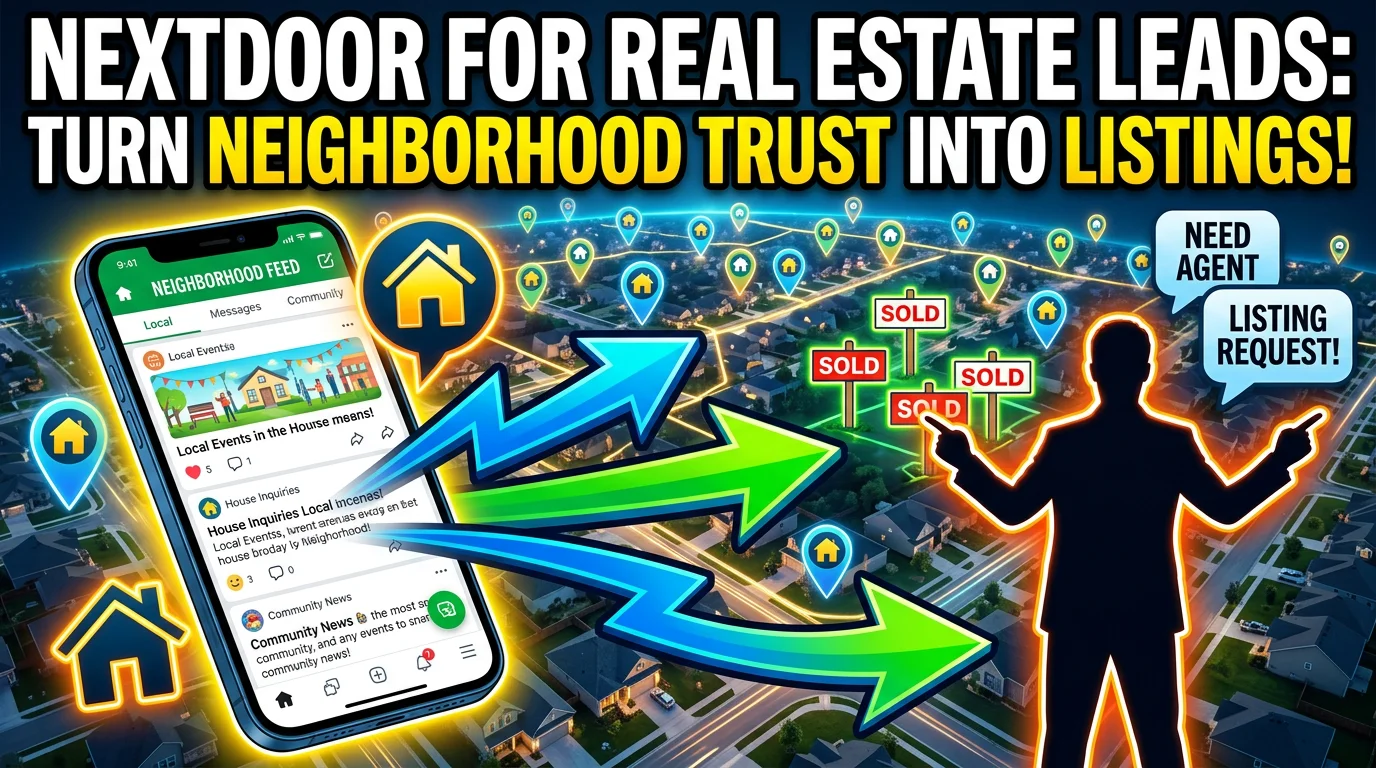
Most real estate agents treat Nextdoor like a place for lost dog posts, contractor complaints, and debates about whether someone should have trimmed a tree sooner. That is a mistake.
Nextdoor sits closer to the transaction than most social platforms because the conversation is already rooted in ownership, neighborhood identity, and local trust. People use it to ask about roofers, schools, block-by-block safety, remodeling costs, flood zones, moving plans, and what homes are worth right now. Those are not random social posts. They are buying and selling signals.
That is exactly why Nextdoor is becoming a smarter lead generation channel in 2026. While more agents crowd Facebook ads, Zillow, and generic PPC campaigns, Nextdoor still feels local.
Used well, Nextdoor can help you generate seller leads, relocation conversations, open house traffic, and more repeat visibility in the exact farm areas you want to own. In other words, nextdoor for real estate is less about going viral and more about becoming the most familiar realtor in the local community.
Want More Local Leads Without Paying for Junk Forms?
We help real estate agents build lead generation systems that turn neighborhood attention into booked consultations, listing conversations, and signed clients.
Why Nextdoor matters for real estate lead generation now
A lot of online lead generation is getting more expensive and less personal at the same time. Nextdoor solves a different problem. It gives agents a hyperlocal place to become familiar before someone needs to hire them.
Many homeowner decisions start with smaller questions, like whether to remodel or sell, what homes are closing for on one street, whether buyers are still active in a zip code, or which neighborhood fits a move. When you answer those questions consistently, your name gets attached to local clarity. That is a better foundation than buying another batch of cold leads. It is one of the simplest ways to build local leads from a platform where users are real people talking about real blocks, real schools, and real moving decisions.
Nextdoor’s own business materials keep leaning into neighborhood sponsorships, local recommendations, and awareness for real estate professionals. Even the vendor pitch tells you where the real opportunity is: neighborhood mindshare. My take is that most agents still underuse the organic side of that equation. They think only in terms of real estate advertising and real estate ads, when the bigger win is becoming the agent neighbors keep seeing in useful contexts.
What kinds of leads come from Nextdoor
Nextdoor is especially strong when your business depends on local credibility.
Seller leads
This is the clearest fit. Homeowners talk about upkeep, remodeling, taxes, and what nearby homes sold for long before they fill out a form. If you add context without overpitching, seller intent starts surfacing naturally.
Relocation, open house, and referral opportunities
People moving within a metro area want neighborhood-level detail Zillow cannot explain. Nearby homeowners also watch who markets listings well, and vendor recommendation threads can turn into referral relationships with lenders, stagers, cleaners, and contractors.
The wrong way to use Nextdoor
A lot of agents ruin this channel fast. They post every listing like a billboard, drop weak self-promotion into recommendation threads, or answer specific questions with vague comments like “happy to help, DM me.”
That fails because Nextdoor is built on local trust, not interruption. Lead generation here works when you act like a useful local resource first and a marketer second.
How to build a Nextdoor lead generation system that actually works
1. Start with a real neighborhood position
Do not try to cover an entire metro in one generic voice. Pick the neighborhoods or farm areas you actually want to own. That gives you a better shot at seller leads because homeowners can tell whether you understand their block, price band, and buyer pool. If you already have traction with micro-farming or hyperlocal SEO, Nextdoor fits naturally into that system.
2. Build a profile that quietly converts
You do not need a flashy bio. You do need clarity.
A strong Nextdoor presence should make it obvious that you are a local real estate agent, what areas you serve, and what kind of help you offer.
That usually starts with a clean nextdoor business page or business page presence, a clear headshot, and simple language about your market. For nextdoor for real estate, the profile is part of the conversion path.
3. Post the kind of content neighbors actually care about
The best Nextdoor content usually falls into a few categories, and they should match the target audience in the neighborhoods you want to win:
- hyperlocal market updates in plain English
- what a certain price point buys in one neighborhood versus another
- seller prep tips tied to local buyer expectations
- open house announcements when they are genuinely relevant to the neighborhood
- short explanations of zoning, development, insurance, or tax changes that affect owners
- recommendations for trusted vendors when you have real experience with them
This works for the same reason Facebook Groups for real estate leads and Reddit real estate lead generation work. People respond to specificity.
4. Turn neighborhood questions into lead capture opportunities
A lot of Nextdoor users will never comment back publicly. They will read, remember your name, and check you out later.
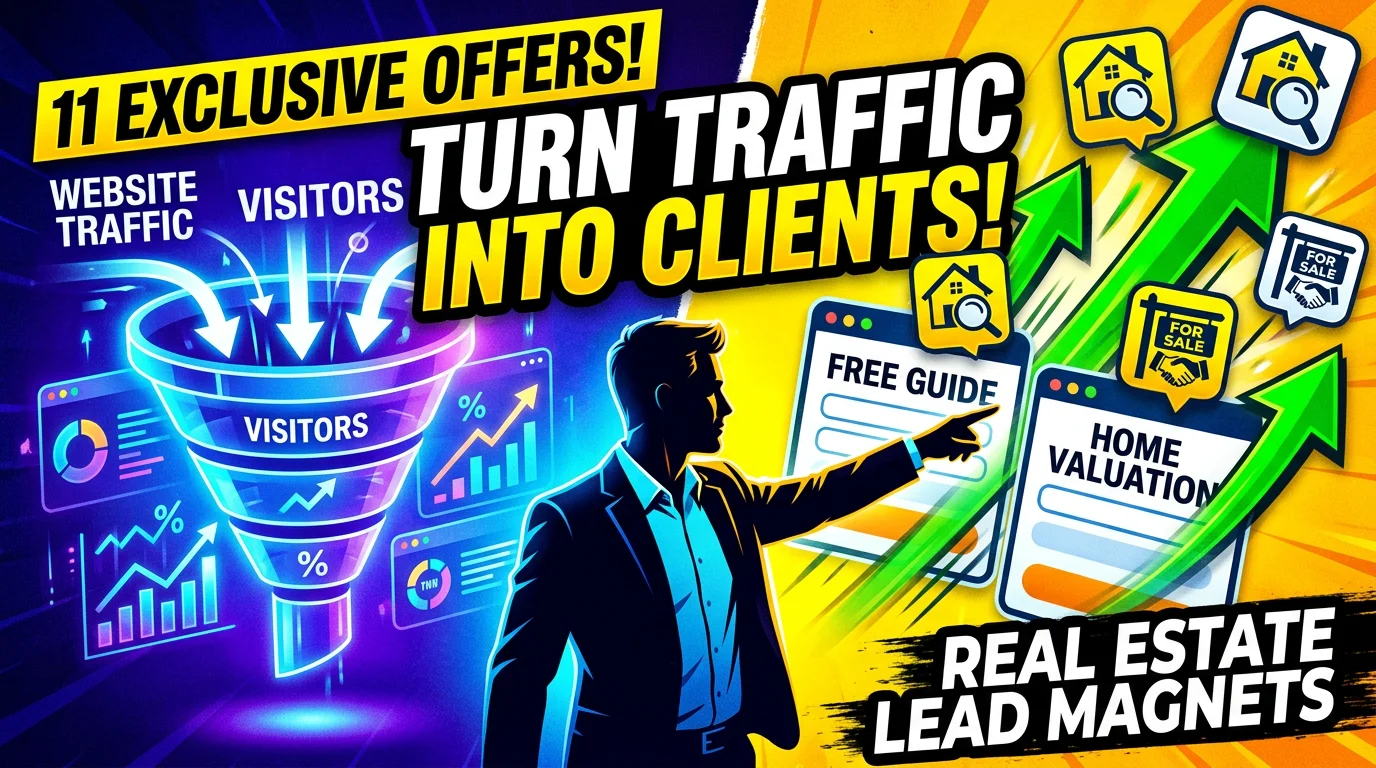
That means your site needs a clean next step. If someone is curious after seeing your posts, they should land on a page that makes sense for their intent. For sellers, that might be your home valuation offer or a seller consult. For buyers, it might be a neighborhood guide or local consultation page. For both, it should be obvious what happens next.
This is where many agents lose the lead. The trust gets built on-platform, but the website handoff is weak. If you want more conversions, pair your Nextdoor activity with stronger real estate landing pages that convert and a tighter lead follow-up system. That is how you turn curiosity into qualified leads instead of random clicks.
For sellers, the clearest bridge is often a free home valuation page. For buyers, it might be a relocation guide or consultation page built for potential buyers who want block-level advice before they ever book a call.
Need a Better Funnel Behind Your Local Marketing?
We can help you connect neighborhood content, landing pages, follow-up, and local SEO into one lead generation engine that actually converts.
5. Use paid placements selectively, not as the whole strategy
Nextdoor ads and neighborhood sponsorships can help with awareness, especially if you want repeated visibility in a tight farm area. But they work best when the organic layer is already there.
If you are paying for real estate advertising, track cost per lead and not just impressions. A cheap ad that produces weak conversations is worse than a slower campaign that brings in qualified leads. The best ads on Nextdoor support your broader marketing efforts instead of replacing them.
If neighbors see your sponsored placement after already noticing your market updates, recommendations, or helpful comments, the ad reinforces credibility. If the ad is the first and only thing they see, it usually lands flatter.
That is the mistake I see with a lot of local ad channels. Agents buy attention before they earn trust.
6. Build a weekly workflow you can sustain
You do not need to live on Nextdoor.
A useful rhythm is usually enough. It should strengthen your online presence, support email marketing follow-up, and keep your name familiar with potential clients who may not be ready today.
- check neighborhood threads a few times per week
- answer one or two housing-related questions with real local detail
- post one useful update every week or two
- promote open houses or listings only when the post is relevant to neighbors
- save recurring questions as future blog and video topics
If the same neighborhood questions keep showing up, turn them into content assets. One good local conversation can feed SEO, email, short-form video, and future lead nurturing. This is one of the cleaner marketing strategies for agents who want to grow a real estate business without relying only on portals.
How to turn Nextdoor visibility into actual appointments
The agents who win on Nextdoor make the next step easy and low pressure. When someone asks a public question, answer it publicly first, then offer something practical like a street-level pricing range, a seller prep checklist, a neighborhood comparison, or a quick consult on timing.
When the conversation moves off-platform, speed matters. The neighborhood trust gets you the first opening. Your process is what turns it into a client.
How to measure whether Nextdoor is worth the time
Do not judge this channel only by likes or comments. That is how agents miss the real value.
Track things like:
- consultation bookings that mention Nextdoor
- seller inquiries from your farm areas
- referral traffic to your site
- direct messages after neighborhood posts
- open house attendance driven by local posts
- repeat exposure in the same neighborhoods
You can also create a dedicated landing page or consultation path for Nextdoor visitors so attribution is cleaner. The volume may be lower than paid lead vendors, but the trust level is often much higher. That usually means better lead quality, better conversations, and less wasted follow-up.
It also helps to watch which posts attract homeowners versus other local businesses, because the two audiences behave differently. Your realtor messaging should stay centered on housing decisions, not generic promotion.
A practical measurement stack can include market trends posts by zip code, a response to a post that links to a helpful resource, and follow-up that collects contact info without feeling pushy. If you want to buy or sell, or if your audience is made up of home buyers and sellers in one target market, that structure gives you a cleaner conversion rate read. It also shows whether your local advertising, advertising channels, and broader digital marketing mix are building trust, new clients, and repeat business.
For many teams, Nextdoor becomes the social media platform that supports community engagement, community involvement, community relationships, and even the occasional community event. That matters because local search, search engine optimization, and seo efforts all improve when your brand and reputation keep showing up in the same neighborhoods.
If you want to leverage Nextdoor.com well, claim your free business page, keep your business name and business profile consistent, and treat the channel like one marketing tool inside a bigger sphere of influence plan. The goal is not spamming the newsfeed or only promoting your business. The goal is to connect with local homeowners, build relationships with past clients, show up beside local businesses and the chamber of commerce, and get more listings from a user base that already cares about the local market. That is where Nextdoor offers real estate professionals something useful: advertising solutions that can support local leads, local homeowners, potential clients, and buyers and sellers when the rest of your marketing efforts already add value.
The best way to think about Nextdoor in 2026
Nextdoor is not a hack. It is not a shortcut. It is a local trust channel.
What Nextdoor offers is simple: repeated visibility with homeowners, potential clients, and potential buyers inside the exact neighborhoods where you want to win more conversations.
That is exactly why it works.
Most real estate agents are still looking for a lead source that feels easy, immediate, and fully automated. The better opportunity is often to build a repeatable neighborhood presence that makes you the obvious choice when a homeowner is finally ready.
If you already rely on Google Ads for seller leads, home valuation funnels, or Google Business Profile lead generation, Nextdoor can strengthen all of them by warming up the market before the click or form fill happens.
For many agents, nextdoor for real estate works best as the trust layer sitting above your other marketing strategies. It supports real estate marketing, improves response rates, and gives your real estate business a warmer starting point than most cold lead vendors.
That is the bigger play. You are not just trying to get seen. You are trying to become familiar in the exact neighborhoods where listings, referrals, and move conversations start.
Ready to Turn Neighborhood Trust Into Closings?
Book a free consultation and we’ll map out a practical local lead generation plan for your market, content, conversion funnel, and follow-up.